
Slides · HUTECH · 11 November 2023
The Fact of Data Management in the Digital Era
Product, inventory, customer, document and financial data: how it is really managed.
A talk by Phan Vu Giap, Founder & CEO of Beehexa and HexaSync Product Owner, at a session with HUTECH lecturers co-organized by CTO Vietnam Network: the reality of data management in Vietnamese businesses, the most common data problems, and feasible solutions. 22 slides.

HUTECH · 11 November 2023
The Fact of Data Management in the Digital Era
Phan Vu Giap
Founder & CEO, Beehexa · HexaSync Product Owner

Agenda
What we’ll cover today
- 01The fact of data management
- 02Common data problems
- 03Feasible solutions
01 · The fact of data management
Five kinds of data every business manages
01
Product information management
02
Inventory management
03
Customer data management
04
Document management
05
Financial data management
01 · The fact of data management
Product information management
- MISA, spreadsheets or a PIM (product information management) system?
- Many IT managers call the product catalog “master data”
- Who is responsible for product information?
- How much does SEO knowledge matter? Is WordPress good for SEO?
- How do you name, categorize and describe products?
- Which attributes should a product have?
- What are parent products and variants?
- How do you list products on Lazada, Shopee, Tiki, TikTok Shop, POS, your website, Facebook, Zalando, Amazon and Etsy?
- How can ChatGPT and other generative AI tools help?
- Product groups, bundles and intangible products?
IMARC Group
$22.3B
Global PIM market by 2028, up from $11.8B in 2022 (11.1% CAGR)
Global Market Insights
$12.2B
Global PIM market in 2023, growing about 13% a year to 2032
01 · The fact of data management
Inventory management: common misconceptions
01
Product information management and inventory management are the same thing.
02
Holding more stock means better service.
03
Inventory management is just counting stock.
In reality it is far more complex: when to restock or clear stock, which items to hold more or less of and how many, and how to use warehouses and logistics.
04
A premium ERP such as SAP, Oracle or Microsoft Dynamics manages inventory better than Sapo or Haravan.
05
Inventory management is only a problem for large enterprises.
06
One inventory solution fits every kind of product and every kind of business.
01 · The fact of data management
PIM: the same product, sold on many channels
Shopify
Sapo · 3 separate product codes
Glasses A
One product, three colour variants
- Blue
- Red
- Purple
Becomes
Glasses A
Blue
- v1
- v2
- v3
Glasses A
Red
- v1
- v2
- v3
Glasses A
Purple
- v1
- v2
- v3
Microsoft Dynamics ERP
Ecommerce channel · single products only
Glasses A
One parent product, three child items
- Child 1
- Child 2
- Child 3
Published as
Single product
Child 1
Single product
Child 2
Single product
Child 3
Channels could keep one parent–child model. Managing it once is what a PIM is for.
01 · The fact of data management
Selling one catalog everywhere is a big business
ChannelEngine · 15 March 2022
$50M
raised to scale its ecommerce and marketplace management suite
What it does
Connecting global ecommerce
Connects brands and retailers to more than 200 marketplaces and online sales channels worldwide.
Sources: ChannelEngine press release, 15 March 2022 · channelengine.com

01 · The fact of data management
Customer data management
01 · The fact of data management
Customer data management: FAQs
- Customer data comes from too many sources: offline, Facebook, Zalo, Tiki, Shopee, Lazada, TikTok, email.
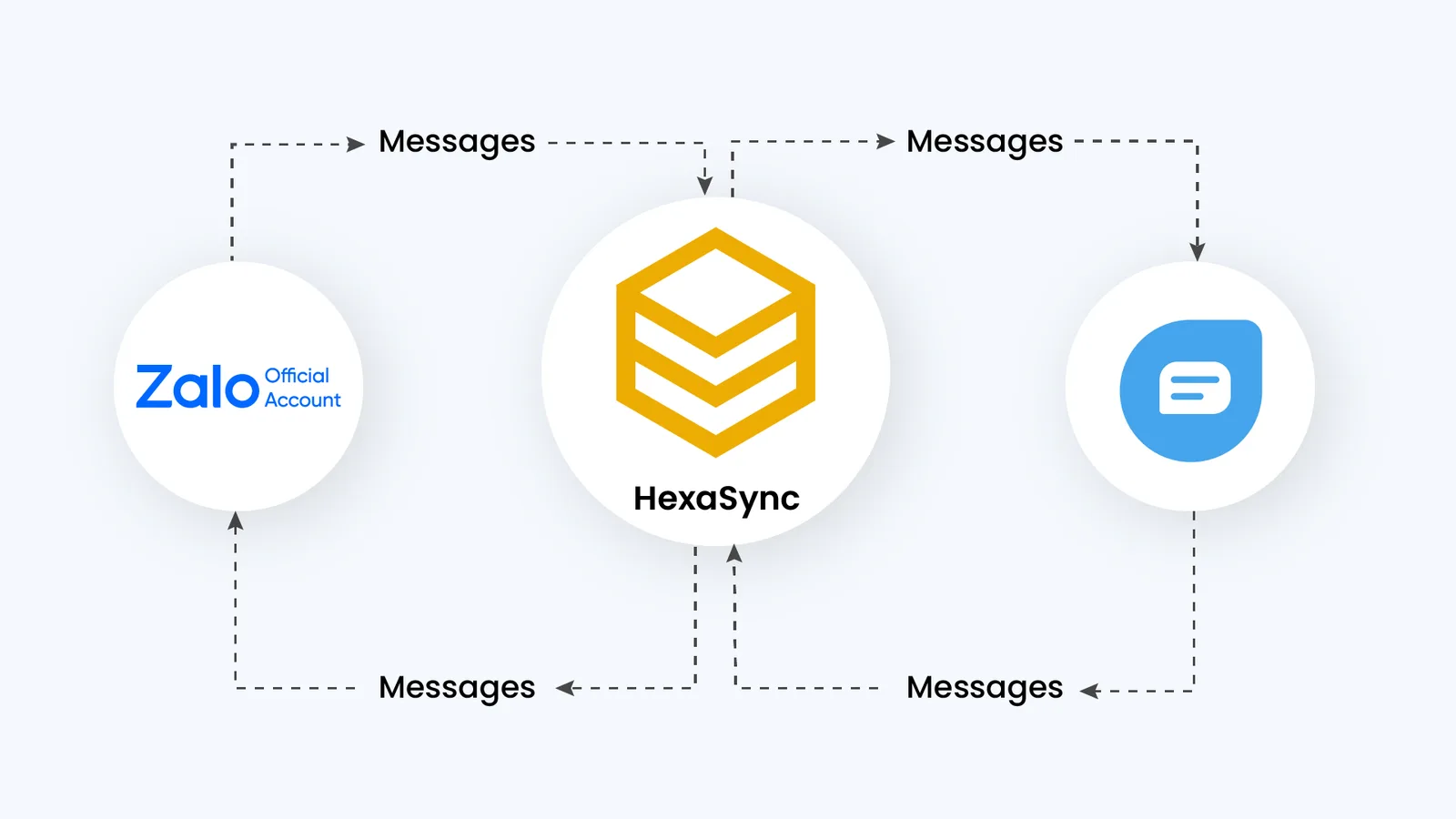
- I serve customers on Zalo OA. How do I collect their phone numbers automatically?
- Shopee hides customers’ phone numbers and emails. What can I do?
- Staff do not save customer details in the CRM. Is there a fix?
- How do I capture information about potential customers?
- How can several staff members look after one or more customers together?
- Is customer data stored in the cloud still the company’s asset?
- Who owns the customer data in a SaaS application?
- Which CRM is best in the Vietnamese market?
- Which CDP is best in the Vietnamese market?
- Is Excel good enough?
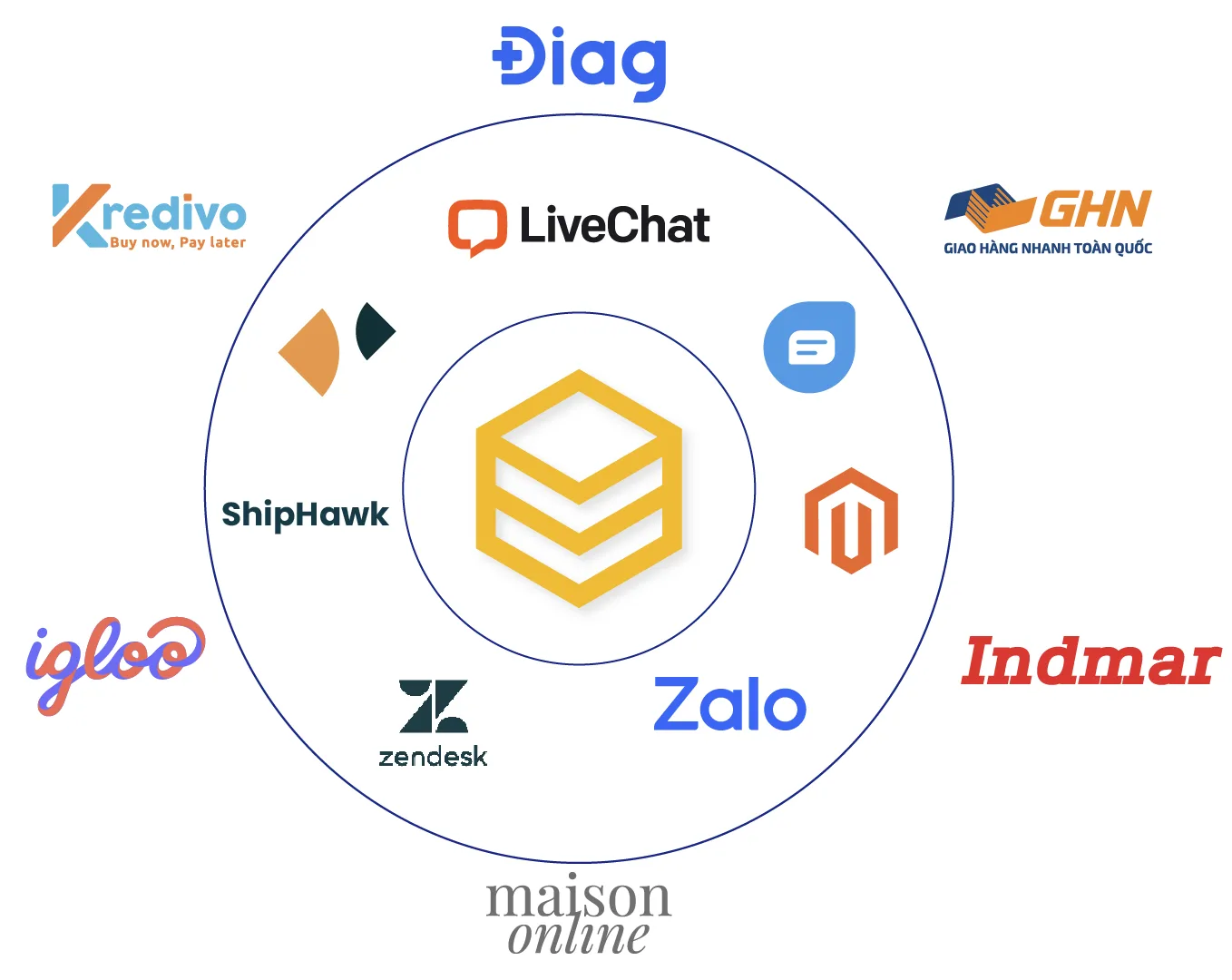
- How can a business manage every customer message on Zalo OA easily?
01 · The fact of data management
Connecting Zalo OA with CRM software
01 · The fact of data management
Document management
- Data scattered across email, personal computers, Google Drive, Dropbox, OneDrive and iCloud, in many file formats
- Duplicate file names make documents hard to find quickly
- Poor categorization
- No clear rules for sharing documents
- Sharing that breaks information security rules
- Documents shared in chat and never stored in one place
- No versioning, so valuable information is hard to track
- Hard to get every team member to follow document conventions
- Incomplete backups lose important information
- Advertising and marketing data from many sources, such as Facebook Ads and Google Ads
- Reliance on paper documents that are hard to check, store, search and reconcile
01 · The fact of data management
Financial data management
01
Human error from manual data entry into systems such as ERP and CRM
02
Investors ask for management reports; two months later the CEO still has none
03
A startup needs financial statements to raise funding; three months on, the financial plan is unfinished for lack of data
04
Data too large and complex to process and analyze
05
Changes to information are not transparent between team members
06
Storing data efficiently and retrieving it easily for audit and analysis
02 · Common data problems
Three common data problems
- 01Data quality
- 02Data integration
- 03Data governance
02 · Common data problems
Data quality
Not organized or stored properly
Wrong timing
Not following conventions
Everyone speaks a different language
Duplicate data
Does not support decision-making
02 · Common data problems
Data integration
Ecommerce
Inventory
Shipping & fulfillment
Customer experience
Ecommerce, inventory, shipping and customer experience each hold a piece of the same order, and all of them need it.
02 · Common data problems
Data governance
No data governance framework
No clear data strategy
Policies exist but are not followed
03 · Feasible solutions
Three feasible solutions
- 01Moving to the cloud
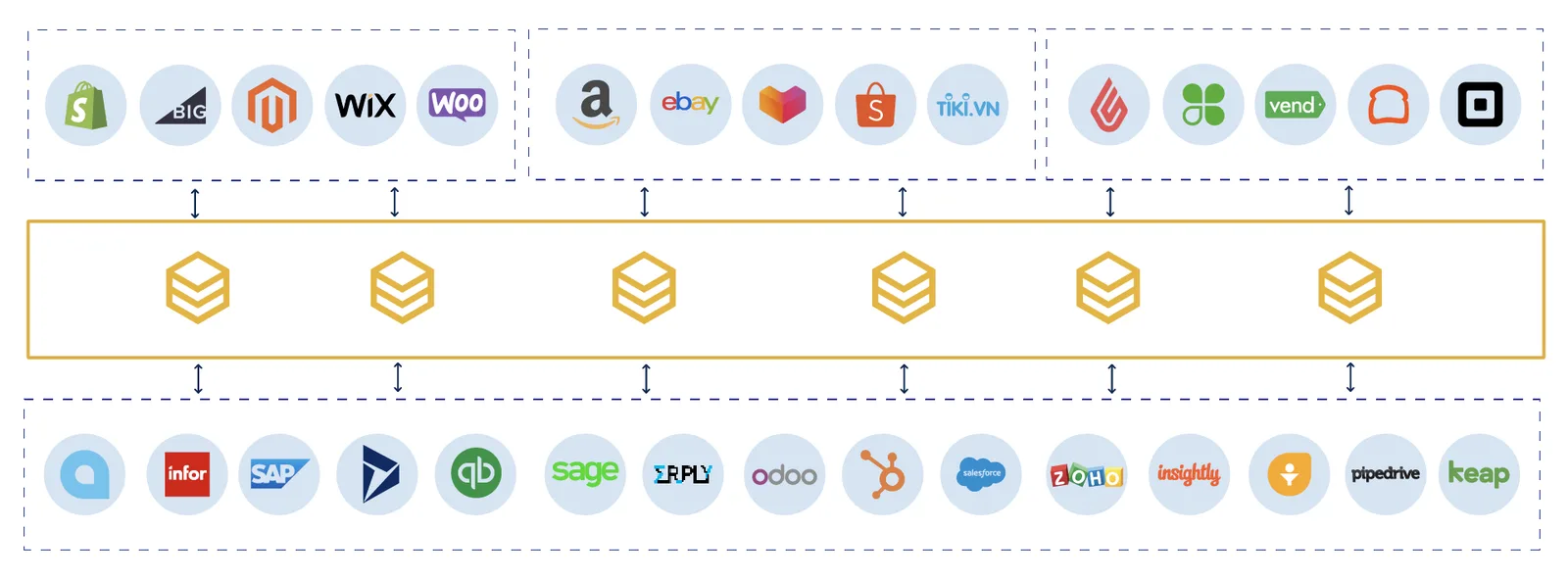
- 02Using a data integration platform
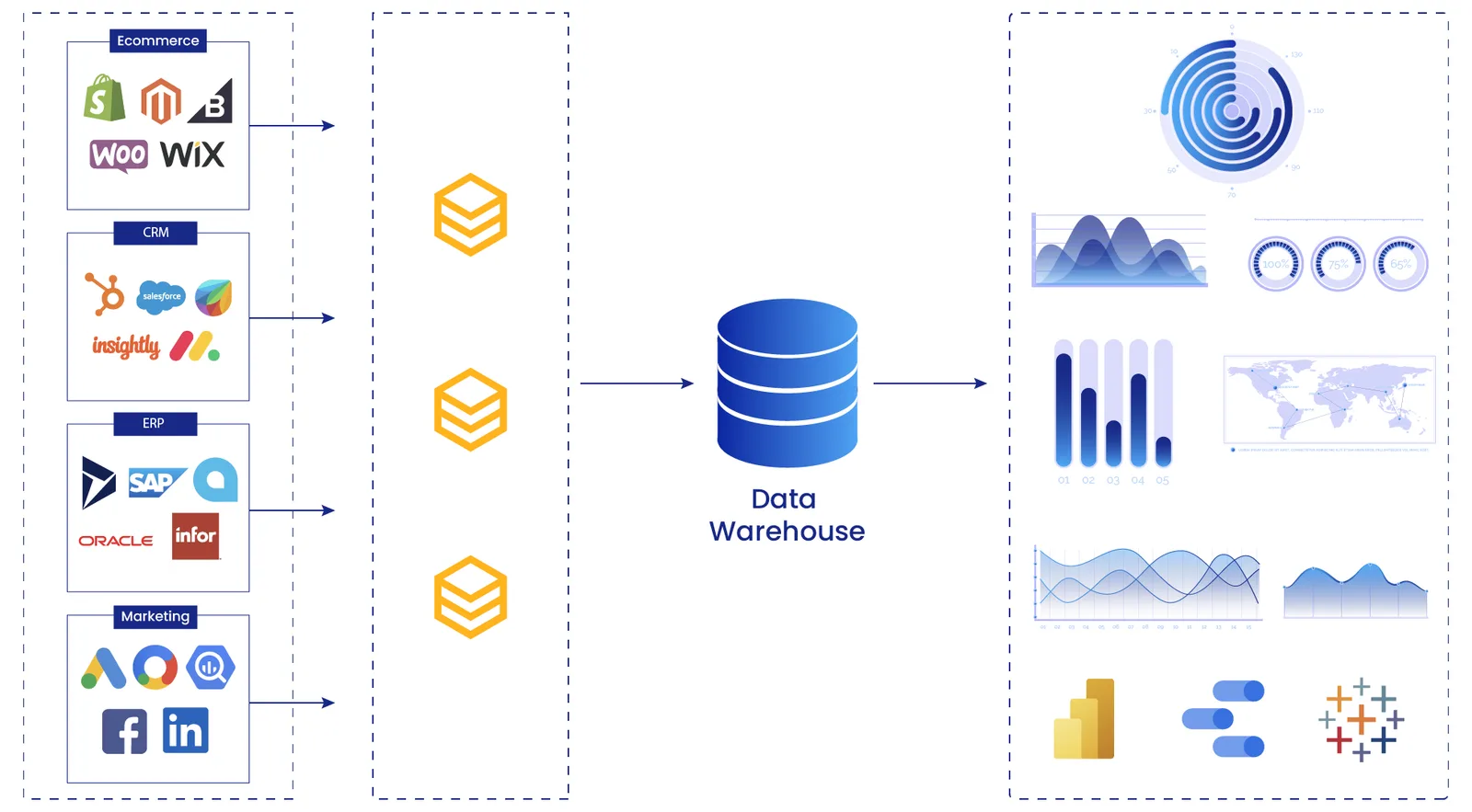
- 03Embracing a data-driven culture
03 · Feasible solutions
Moving to the cloud
Excel
→ Google Sheets
Office
→ Google Docs
On-premise
→ SaaS
03 · Feasible solutions
Using a data integration platform
03 · Feasible solutions
Embracing a data-driven culture
Conclusion
From data problems to a data-driven business
Data quality
Move to the cloud
Data integration
Use a data integration platform
Data governance
Embrace a data-driven culture
Building a data-driven culture
- Make decisions from data, not personal intuition
- Use the Scrum framework to build a culture of transparency
- Collect numbers continuously, from marketing data to sales data
References
Sources used in this talk
- IMARC Group: Product Information Management Market, Global Industry Trends and Forecast 2023–2028Slide 4
- Global Market Insights: Product Information Management Market SizeSlide 4
- ChannelEngine raises $50M to scale Ecommerce and Marketplace Management Suite, 15 March 2022Slide 7
- TechCrunch: ChannelEngine raises $50M, 15 March 2022Slide 7
- ChannelEngine websiteSlide 7
Adapt to what you know, customize every flow, extend as you grow. Start with HexaSync